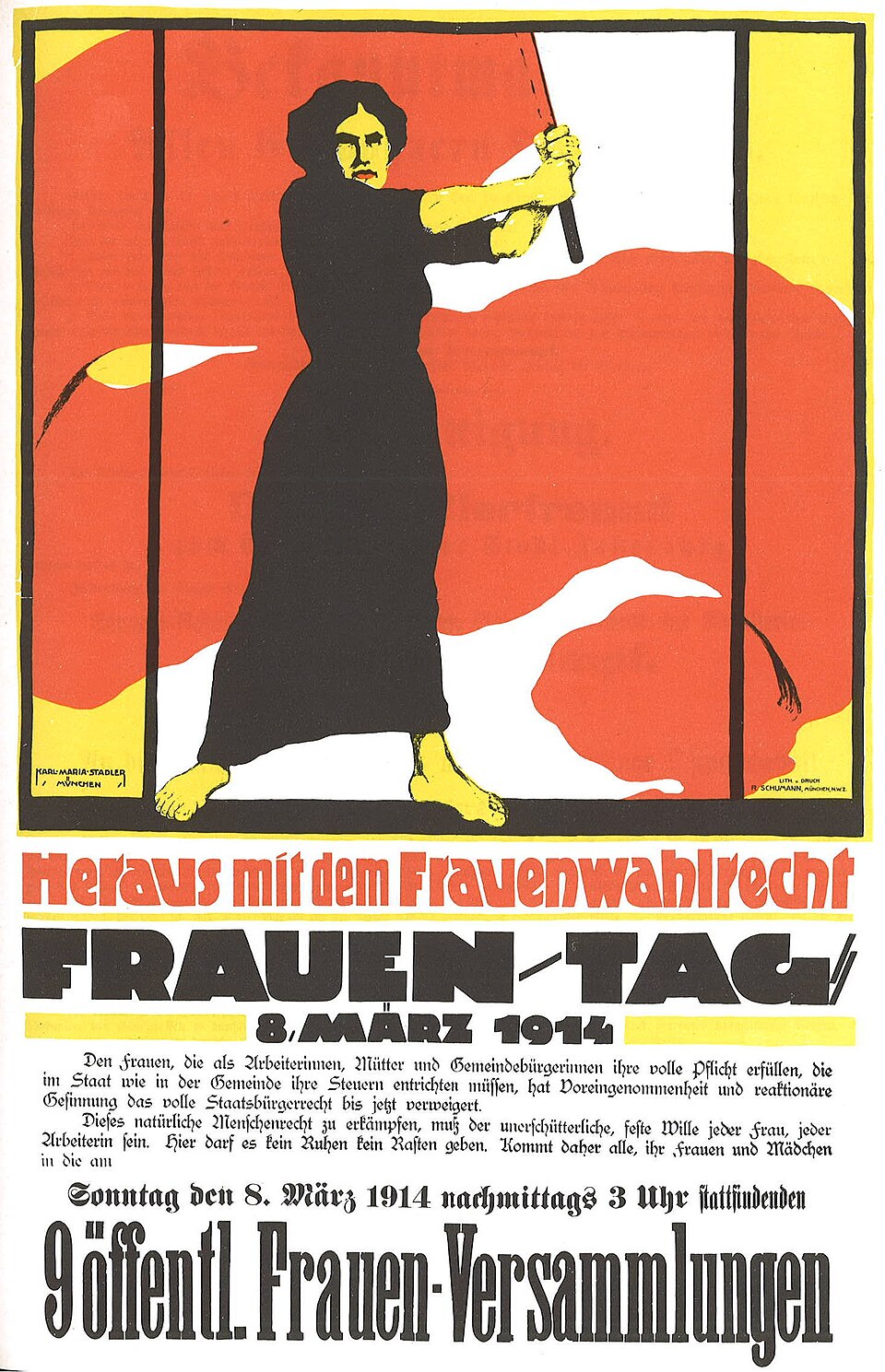
March 8: A Global Call to Action Amidst Persistent Inequalities
As the calendar turns to March 8th each year, the world collectively turns its attention to International Women's Day. It's a day of celebration, acknowledging the remarkable achievements of women across history and in every corner of the globe. Yet, it's also a crucial day for reflection and renewed commitment, serving as a stark reminder of the battles for equality that remain fiercely unfought or woefully incomplete. Despite decades of advocacy and progress, the reality persists: women globally still possess only 64% of the legal rights afforded to men. This staggering statistic from the United Nations paints a sobering picture, underscoring that for all the strides made, fundamental legal disparities continue to systematically disadvantage women in critical areas of life.
International Women's Day, therefore, is not merely an observance; it is a vital platform to demand "Rights. Justice. Action. For ALL Women and Girls." This powerful call to action highlights the urgent need to dismantle the remaining barriers to full legal equality. These barriers manifest as discriminatory laws, weak legal protections, and deeply entrenched harmful practices and social norms that erode the inherent rights of women and girls everywhere. Understanding this 64% gap is the first step towards closing it, recognizing that true empowerment begins with equal standing under the law.
The 64% Reality: Where Legal Disparities Persist
The figure of 64% isn't just a number; it represents countless daily struggles and systemic disadvantages faced by women worldwide. This deficit in legal rights isn't confined to a single sector but permeates fundamental areas of life, shaping opportunities and outcomes from birth to retirement. Let's delve into what this means in practical terms:
- Work and Money: Globally, women often face legal limitations regarding their ability to work in certain professions, control their earnings, or access financial services independently. This can include anything from legal restrictions on night work or specific industrial roles, to discriminatory lending practices, or laws that grant men primary control over household finances. Even where legal equality exists on paper, enforcement can be weak, leading to persistent pay gaps and limited career progression.
- Safety and Justice: While many nations have laws against gender-based violence, the legal framework often falls short in providing comprehensive protection and ensuring justice. This can mean inadequate laws on sexual harassment, insufficient resources for prosecuting domestic violence, or cultural norms that hinder reporting and redress. The legal system itself can, at times, become a barrier to justice rather than a guarantor of safety for women.
- Family and Property: In numerous societies, women are legally disadvantaged in matters of marriage, divorce, child custody, and inheritance. They may lack equal rights to own or inherit land, manage property, or even make independent decisions about their children's upbringing. These legal loopholes can leave women vulnerable to poverty and exploitation, especially after divorce or widowhood.
- Mobility and Business: Restricting a woman's ability to travel freely, obtain passports, or start a business without a male guardian's permission are tangible examples of legal disadvantages. Such laws severely limit economic autonomy and personal freedom, stifling entrepreneurial spirit and broader economic participation.
- Retirement: The cumulative effect of legal and economic disparities throughout a woman's working life often culminates in unequal retirement benefits and financial insecurity in later years. Gaps in pay, intermittent employment due to caregiving responsibilities, and discriminatory pension laws contribute to this imbalance.
These legal gaps are not abstract concepts; they are daily realities that impede women's potential, limit their choices, and undermine their dignity. They are the invisible chains that hold back half of humanity.
Dismantling Barriers: A Blueprint for Justice
The path to achieving 100% legal rights for women is multifaceted, requiring a concerted effort to address the root causes of inequality. The UN's call for "Rights. Justice. Action." outlines a clear blueprint:
- Overturn Discriminatory Laws: This is the most direct and fundamental step. Governments must review and amend all national and sub-national laws that explicitly or implicitly disadvantage women. This includes laws related to property ownership, inheritance, marriage, divorce, employment, and political participation. It requires political will and a commitment to align national legislation with international human rights standards.
- Strengthen Legal Protections: Even with non-discriminatory laws, weak enforcement mechanisms, inadequate resources, and insufficient legal aid can render rights meaningless. Strengthening legal protections means investing in robust judicial systems, training law enforcement and legal professionals on gender sensitivity, and ensuring accessible legal recourse for women. This also involves enacting comprehensive laws against all forms of gender-based violence and ensuring their effective implementation.
- Challenge Harmful Practices and Social Norms: Legal reform alone is often not enough. Deeply ingrained cultural practices, traditional beliefs, and social norms frequently perpetuate inequality, even in the presence of progressive laws. These can include practices like child marriage, female genital mutilation, and the undervaluation of women's labor. Addressing these requires long-term social change, public awareness campaigns, education, community engagement, and empowering women's voices in cultural and religious institutions. It also necessitates a shift in patriarchal attitudes that resist women's equality.
It's crucial to understand that these three pillars are interconnected. A truly just society requires not just laws that grant rights, but also mechanisms that enforce them, and a social fabric that supports and celebrates them. Organizations working at the grassroots level, often powered by women themselves, are critical in identifying these barriers and driving change from the ground up.
Beyond the Global: Lessons from National Heroes and Local Action
While the global statistics paint a challenging picture, history offers powerful examples of individuals and movements that have chipped away at these disparities. In India, for instance, National Women's Day on February 13th commemorates the birth anniversary of Sarojini Naidu. Naidu, often called the "Nightingale of India," was a remarkable poet, independence activist, and a trailblazing leader who became the first woman to preside over the Indian National Congress and serve as a state governor. Her legacy is a testament to the power of individual agency in driving national progress.
Naidu's advocacy for women's suffrage, education, and political participation during India's freedom struggle directly contributed to laying the groundwork for greater gender equity in the nation. Her courage, evident in her imprisonment during movements like the Non-Cooperation Movement and the Salt Satyagraha, and her presidency of the All India Women's Conference, demonstrates how dedicated individuals can ignite movements for change. Her story reminds us that the fight for women's rights is not new; it is a continuum built upon the tireless efforts of figures like Naidu, who challenged prevailing norms and demanded a more just society. To learn more about her incredible journey, read our article: Sarojini Naidu: India's Women's Day Honors a Freedom Fighter & Poet.
The contrast between India's national observance and International Women's Day highlights different facets of the same overarching goal. While March 8 spotlights global disparities and calls for universal action, national observances often celebrate specific historical contributions, providing localized inspiration. Both are essential. The global 64% statistic should galvanize international cooperation and policy reform, while national stories of resilience and achievement can inspire local communities and remind us that progress, however slow, is possible and has historical roots.
Practical Steps for Action:
- Educate Yourself and Others: Understand the specific legal gaps in your region and globally. Share this knowledge to raise awareness.
- Support Women's Rights Organizations: Donate to or volunteer with local and international organizations working to advocate for legal reform and empower women.
- Advocate for Policy Change: Contact your elected representatives, participate in peaceful protests, and sign petitions that call for the amendment of discriminatory laws and strengthening of protections.
- Challenge Harmful Norms: Speak out against sexism, misogyny, and discriminatory practices in your daily life, workplace, and community. Support gender-sensitive education for all children.
- Empower Women Economically: Support women-owned businesses, advocate for equal pay and opportunities, and mentor emerging female leaders.
Conclusion: The Urgency of Closing the Gap
March 8, International Women's Day, serves as both a beacon of hope and a potent reminder of the work that remains. The persistent reality that women globally possess only 64% of legal rights is unacceptable in the 21st century. It's a fundamental injustice that impacts every aspect of society, hindering economic development, democratic participation, and human well-being. The call for "Rights. Justice. Action. For ALL Women and Girls" is not merely a slogan; it is an urgent mandate for governments, communities, and individuals worldwide. By actively challenging discriminatory laws, strengthening legal protections, and confronting harmful social norms, we can accelerate progress towards a future where legal equality is not a distant aspiration but a lived reality for every woman and girl. The journey to 100% legal rights is long, but it is a journey we must commit to completing, for the benefit of all humanity.